Honda 600z Coupe / 600

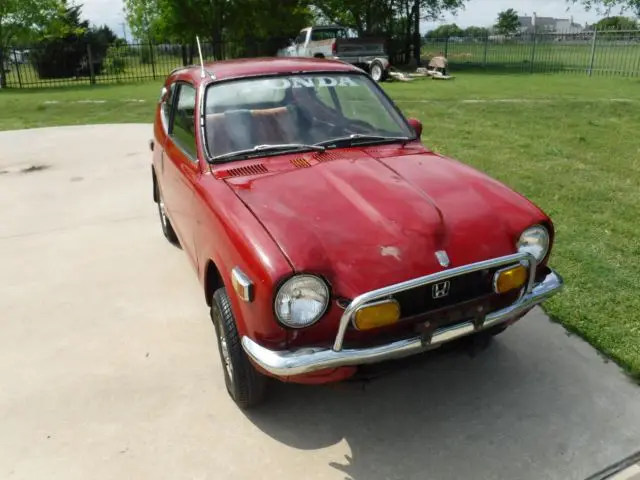


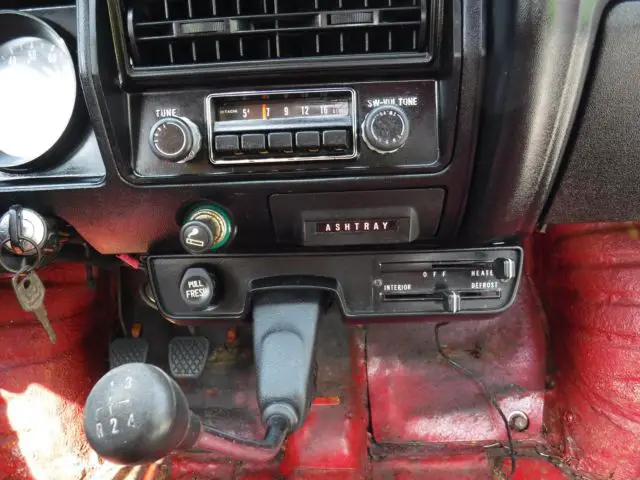

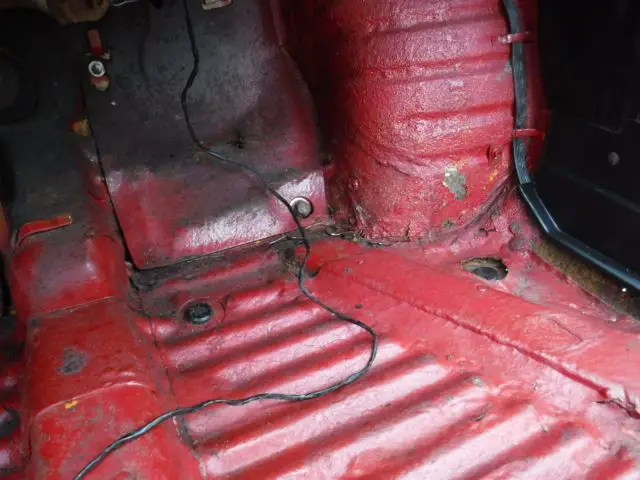
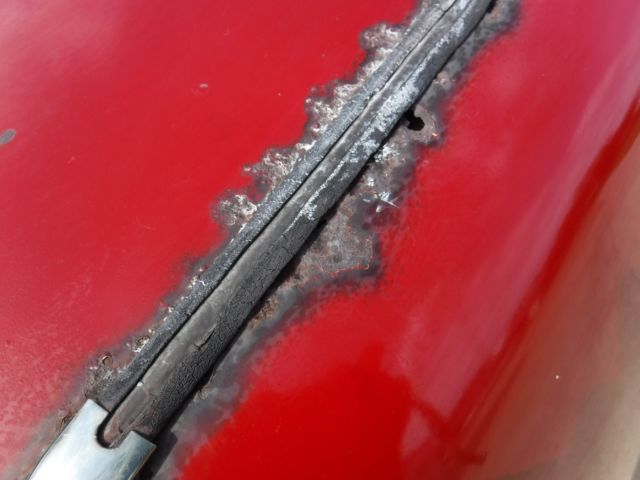

| Make: | Honda |
| Model: | z600 Coupe |
| SubModel: | Coupe |
| Type: | Coupe |
| Trim: | standard trim |
| Year: | 1972 |
| Mileage: | 59,198 |
| VIN: | AZ6001016934 |
| Color: | Red |
| Engine: | 600cc |
| Cylinders: | 2 |
| Fuel: | Gasoline |
| Transmission: | Manual |
| Drive type: | FWD |
| Interior color: | Black & Red |
| Vehicle Title: | Clear |
| Item location: | Allen, Texas, United States |
1972 Honda z600 Coupe standard trim Additional Info:
Cut & paste this link to see my photobucket with 108 detailed photos
s1382.photobucket.com/user/TTRROOYY/library/1972%20Honda%20600z
From the Hagerty.com website:
History of the 1967-1673 Honda 600
The origins of the little Honda N600 can be traced back to the 354-cc N360 of 1964. Japan has a complete class of microcars – the “K” class – and the Honda N360 was a more serious attempt than most. It was preceded by the S500 two-seat sports car in 1963, but the boxy N360 was instead intended as a family sedan.The N360 made the original BMC Mini seem downright gargantuan, with its miniscule 78-inch wheelbase. The two-cylinder, OHC, air-cooled engine developed 31 hp with a claimed top speed of 71 mph, and the little front-wheel-drive car had a four-speed gearbox and later a Hondamatic. Like the little S500 sports car, the engine could rev to 8,500 rpm, but it was a buzzy affair, with only 10-inch tires.
The 599 cc Honda N600 was launched in late 1967, offering 42 hp and a claimed top speed of over 80 mph. U.S. price was $1,275 at launch, and $1,522 with an automatic transmission. Gas mileage was reportedly 40 mpg, but 0-60 took about 18 seconds. Options included a tachometer, roof rack, ski rack, and folding rear seat. Sales were modest, with only 4,195 joining U.S. traffic in 1970.
The N600 sedan was joined by a Z600 coupe in 1971, which is the car most commonly seen today. It featured pop-open rear windows, overhead console controls, and a rear hatch that slightly resembled a TV screen. Performance numbers remained the same, though the front suspension became McPherson struts with the solid rear axle being located via leaf springs. The car had a 42-inch tread and 51-inch height, which resulted in a rather high center of gravity, but the car was well suited to changing American automotive needs, and 9,509 were sold in the U.S. in 1971, rising to 20,500 in 1972.
A few holdovers were sold in 1973, but the new Civic hatchback was launched with a 1,200-cc, water-cooled, four-cylinder engine, and it was a much more serious proposition. The Civic outsold the entire 600 run in its first year, and subsequently spawned several generations of excellent sub-compact cars.
Honda N600 sedans are rarely seen these days, but the little Z600 coupes have something of a following. They are charming in their own right, and are competent when compared to other microcars. Even more importantly for collectors, they represent a key moment in American automotive history when Japanese manufacturers were starting to gain a toehold in the U.S. market.
">The origins of the little Honda N600 can be traced back to the 354-cc N360 of 1964. Japan has a complete class of microcars – the “K” class – and the Honda N360 was a more serious attempt than most. It was preceded by the S500 two-seat sports car in 1963, but the boxy N360 was instead intended as a family sedan.
The N360 made the original BMC Mini seem downright gargantuan, with its miniscule 78-inch wheelbase. The two-cylinder, OHC, air-cooled engine developed 31 hp with a claimed top speed of 71 mph, and the little front-wheel-drive car had a four-speed gearbox and later a Hondamatic. Like the little S500 sports car, the engine could rev to 8,500 rpm, but it was a buzzy affair, with only 10-inch tires.
The 599 cc Honda N600 was launched in late 1967, offering 42 hp and a claimed top speed of over 80 mph. U.S. price was $1,275 at launch, and $1,522 with an automatic transmission. Gas mileage was reportedly 40 mpg, but 0-60 took about 18 seconds. Options included a tachometer, roof rack, ski rack, and folding rear seat. Sales were modest, with only 4,195 joining U.S. traffic in 1970.
The N600 sedan was joined by a Z600 coupe in 1971, which is the car most commonly seen today. It featured pop-open rear windows, overhead console controls, and a rear hatch that slightly resembled a TV screen. Performance numbers remained the same, though the front suspension became McPherson struts with the solid rear axle being located via leaf springs. The car had a 42-inch tread and 51-inch height, which resulted in a rather high center of gravity, but the car was well suited to changing American automotive needs, and 9,509 were sold in the U.S. in 1971, rising to 20,500 in 1972.
A few holdovers were sold in 1973, but the new Civic hatchback was launched with a 1,200-cc, water-cooled, four-cylinder engine, and it was a much more serious proposition. The Civic outsold the entire 600 run in its first year, and subsequently spawned several generations of excellent sub-compact cars.
Honda N600 sedans are rarely seen these days, but the little Z600 coupes have something of a following. They are charming in their own right, and are competent when compared to other microcars. Even more importantly for collectors, they represent a key moment in American automotive history when Japanese manufacturers were starting to gain a toehold in the U.S. market