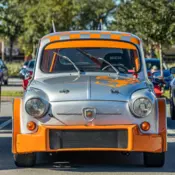
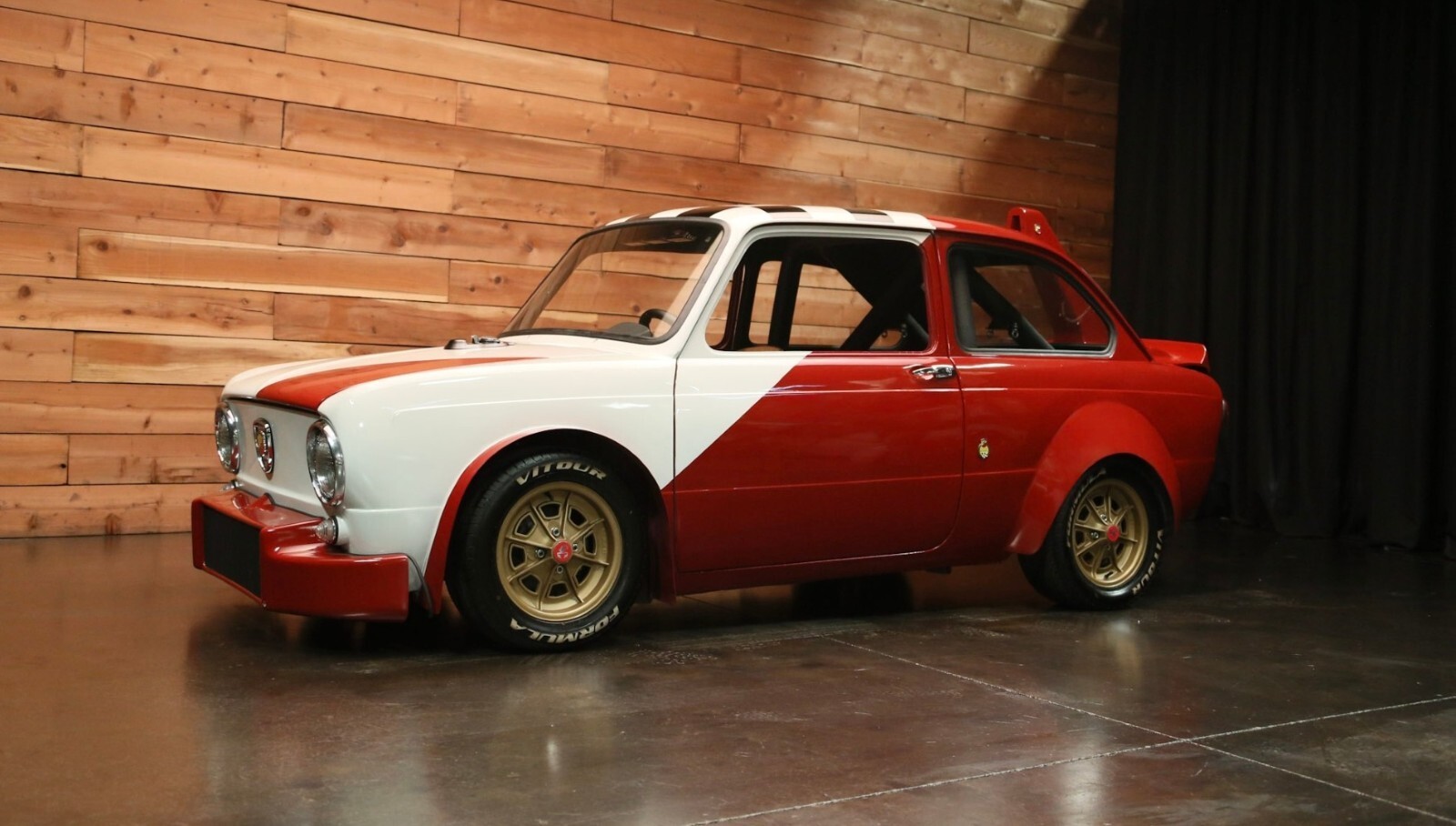
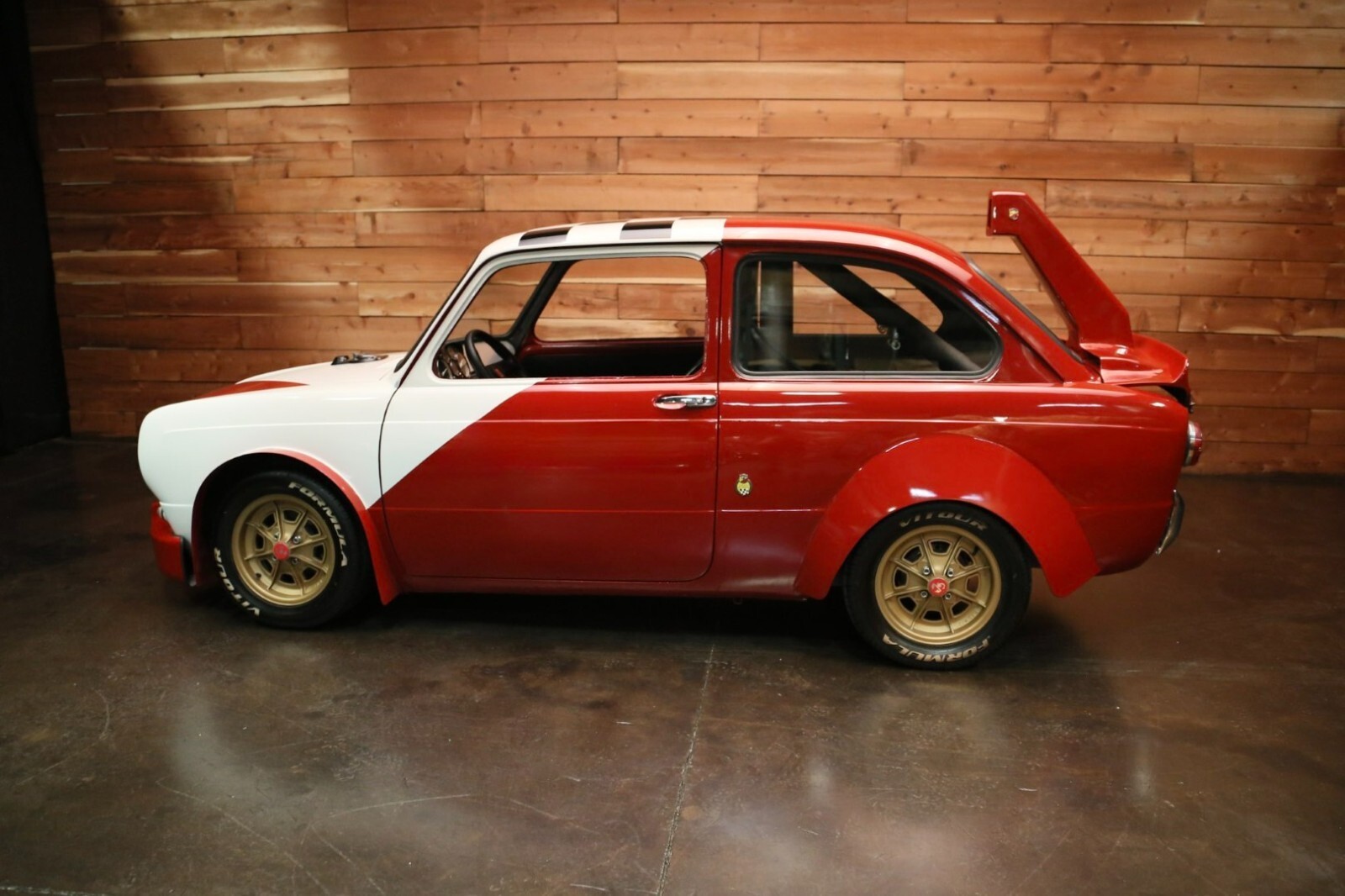
1968 Fiat Abarth 850 – 903cc Engine – “Abarth 1000 OT Competizione” Tribute Car
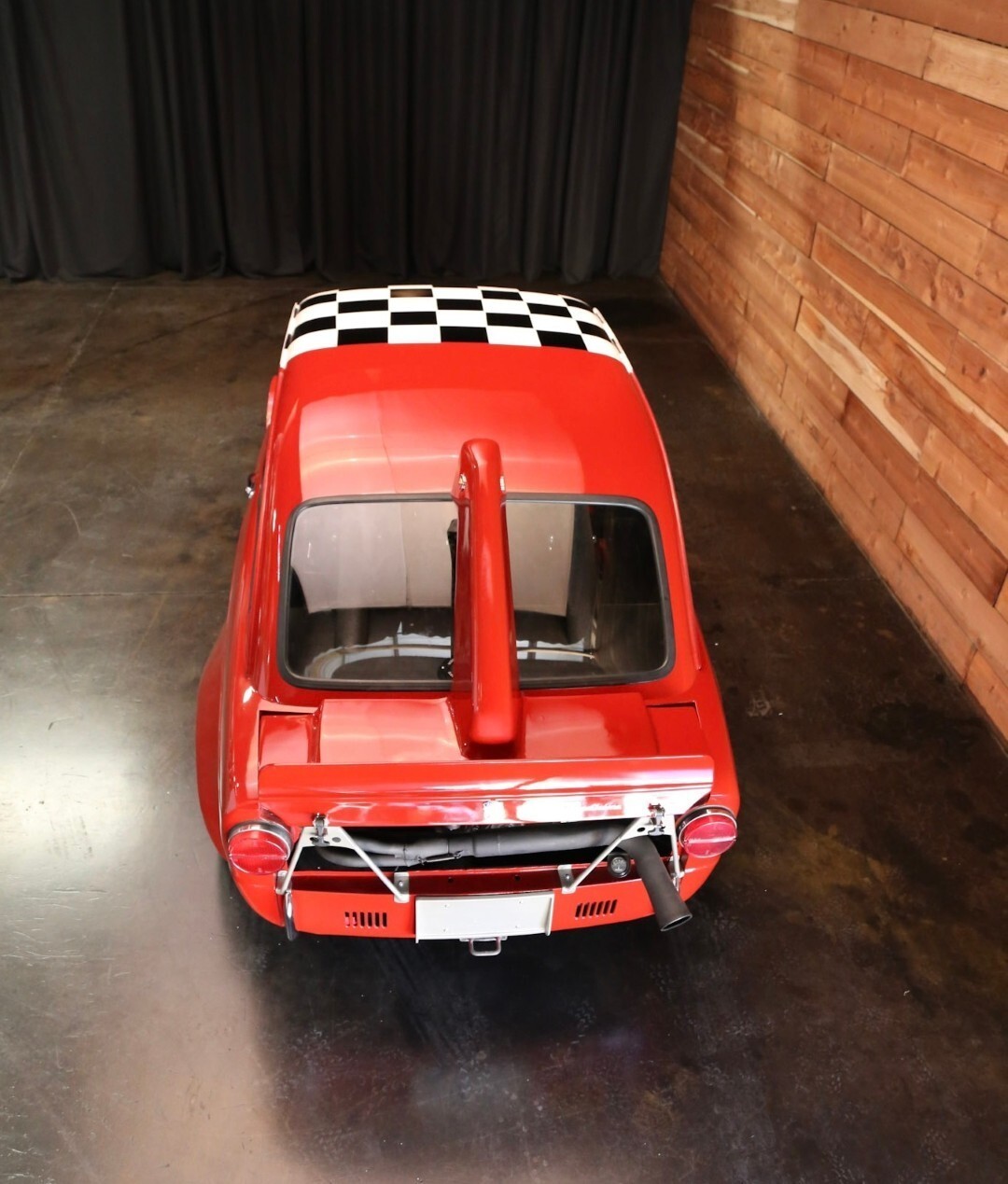
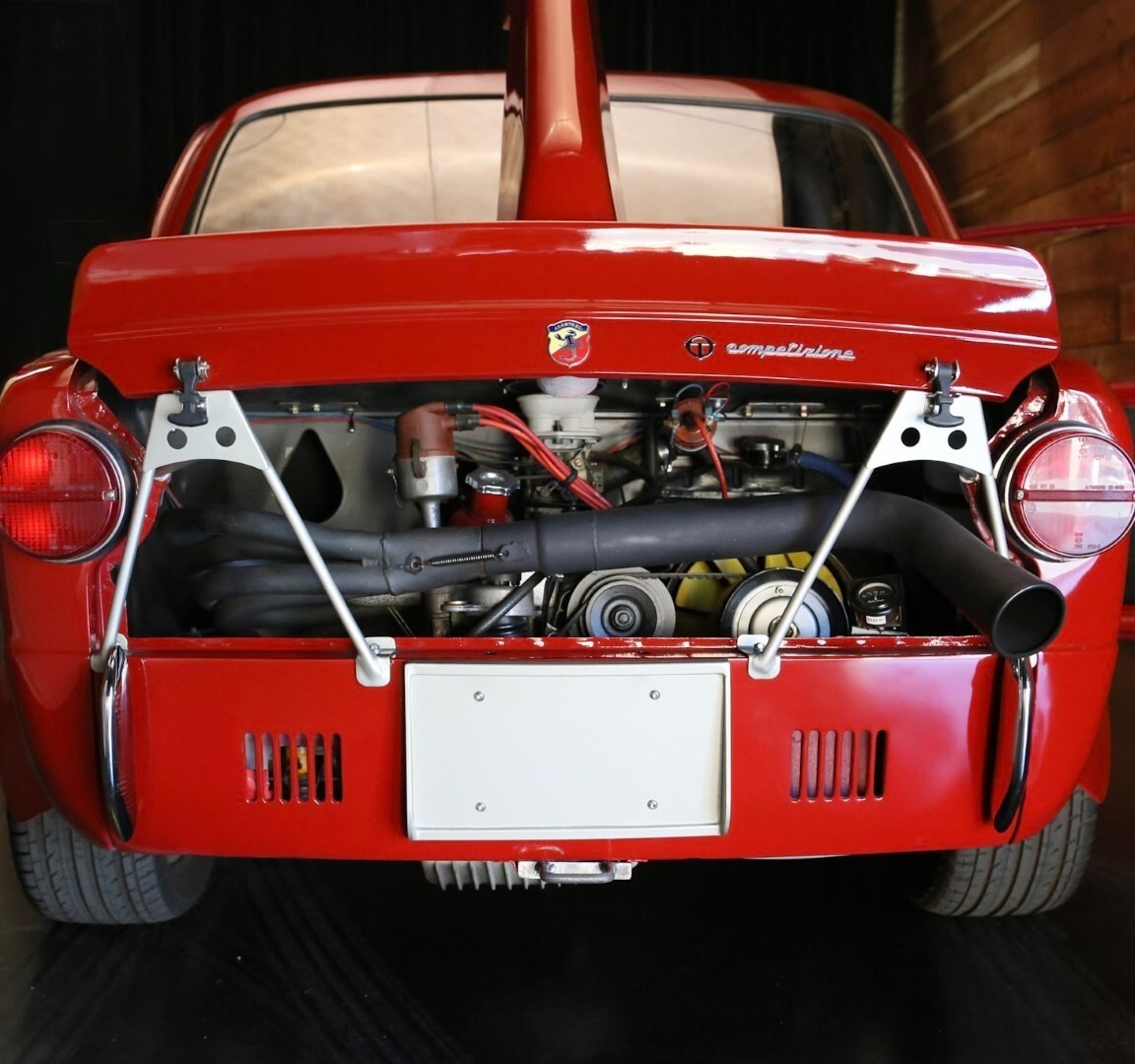
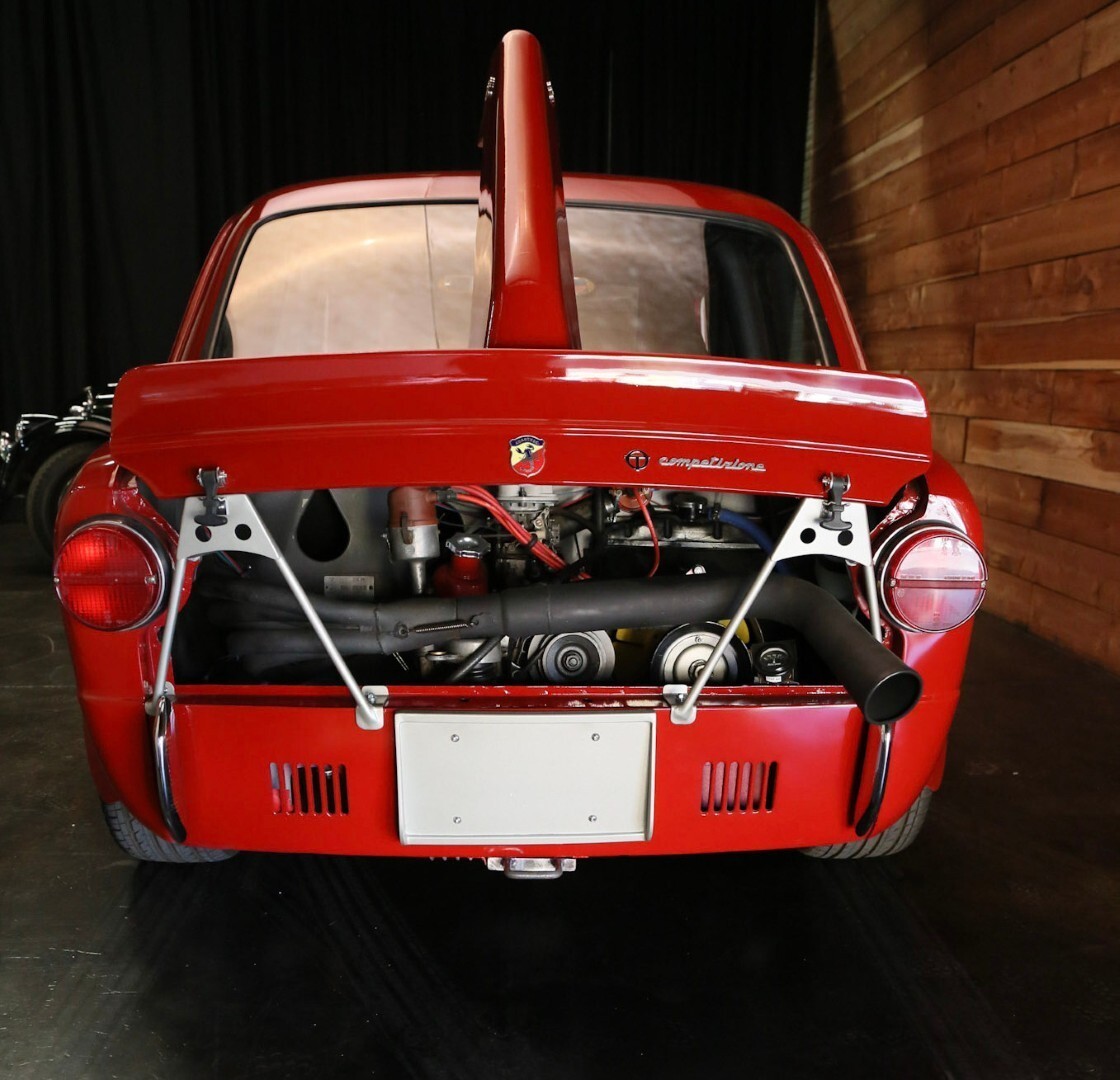
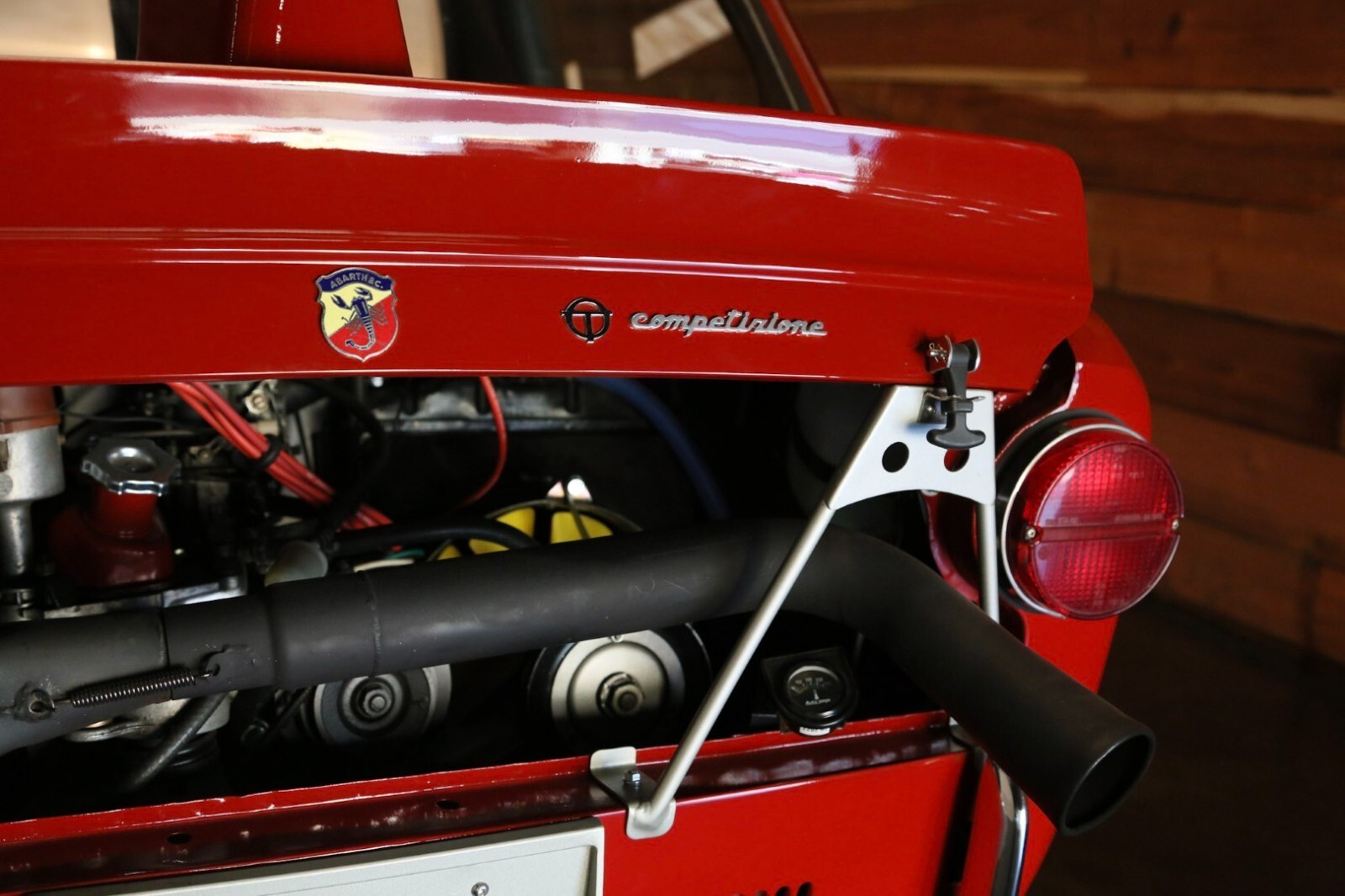
| Make: | Fiat |
| Model: | 850 |
| Year: | 1968 |
| Mileage: | 1 |
| Vehicle Title: | Clean |
| Item location: | Fontana, California, United States |
1968 Fiat 850 Additional Info:
1968 Fiat 850 — Custom “Abarth 1000 OT Competizione” Concept | 903cc Upgraded Engine | Race-Inspired Build Throughout
A dedicated, enthusiast-built tribute to one of the most celebrated homologation specials of the 1960s — executed with rare parts, custom fabrication, and a level of detail that took years to assemble.
**A FULL SET OF IMAGES AND DRIVING VIDEO ARE AVAILABLE AT:
https://forestmotorcollective.com (copy and paste)
Cold start and walk around video is available upon request.
The ConceptThe Abarth 1000 OT Competizione is the car this build pays homage to. Carlo Abarth’s relationship with Fiat’s small rear-engined platform produced some of the most successful and beloved competition cars of the 1960s — the OT series (Omologato Turismo) were factory-sanctioned racing derivatives that dominated their classes at circuits across Europe. modified versions of the Fiat 850’s 843cc unit bored and tuned to 1000cc and beyond, they were extraordinarily quick for their size, and their aggressive fastback bodywork became one of the defining visual signatures of the era.
This 1968 Fiat 850 was built by a dedicated Fiat-Abarth enthusiast as a street-driveable interpretation of that competition spirit.
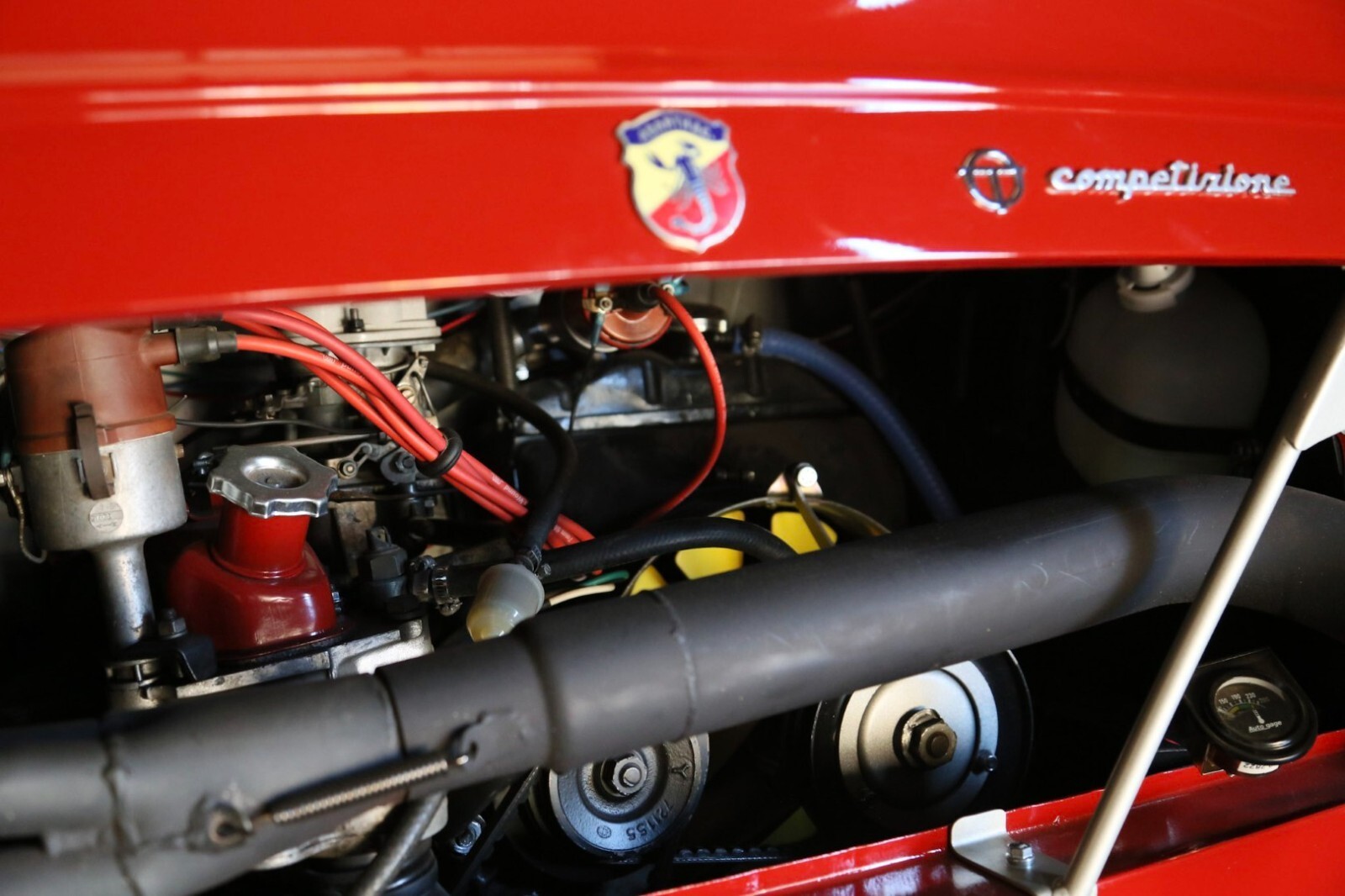
Engine & DrivetrainThe stock 843cc engine has been replaced with the larger Fiat 903cc unit — the same capacity used in the later Fiat 850 Sport and a displacement step well suited to spirited street use. This is not a full race build; the builder’s intent was a hotter, more responsive engine that remains tractable and reliable on the road. The car starts, runs, and drives well, with a strong and healthy feel throughout.
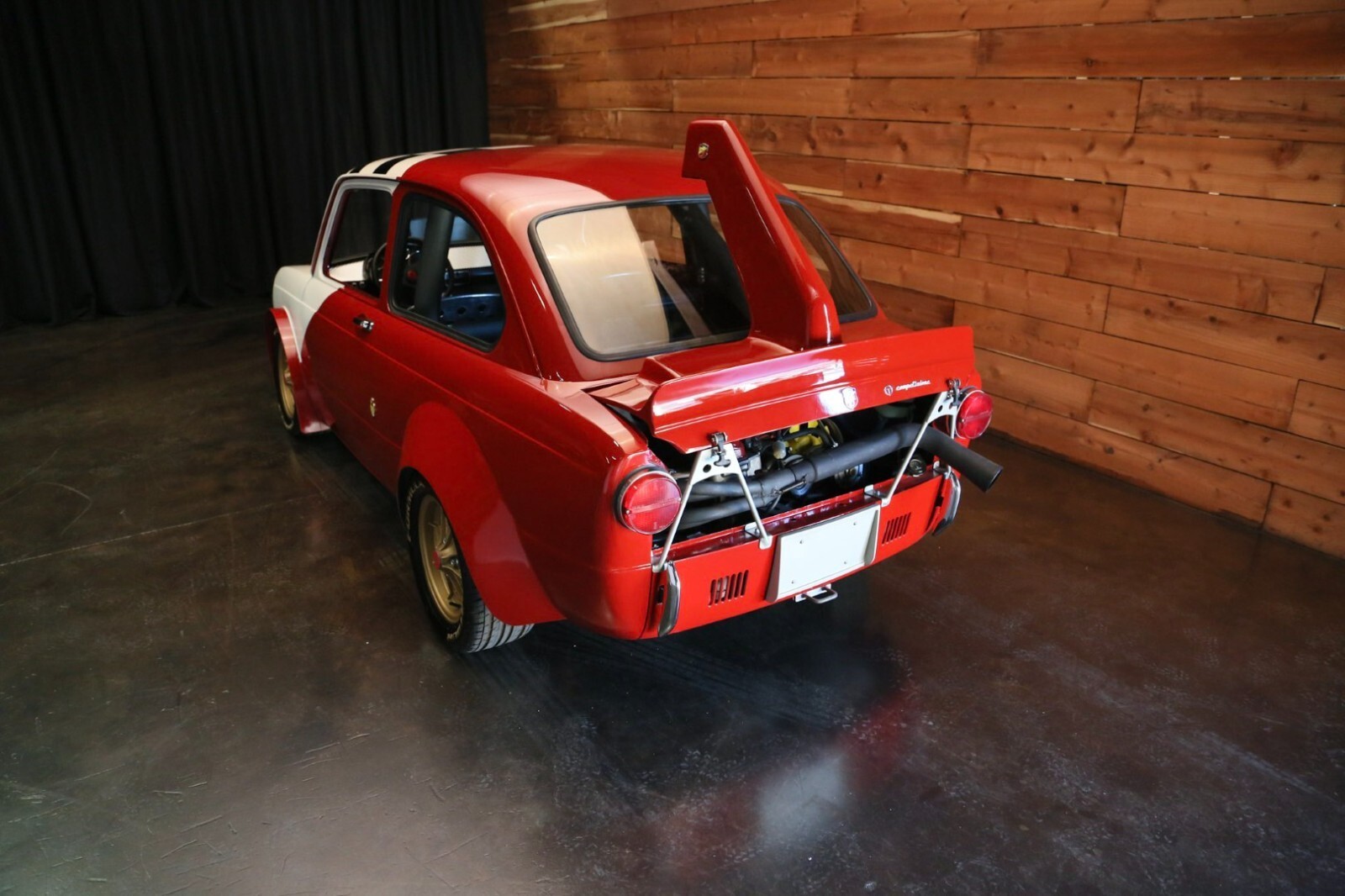
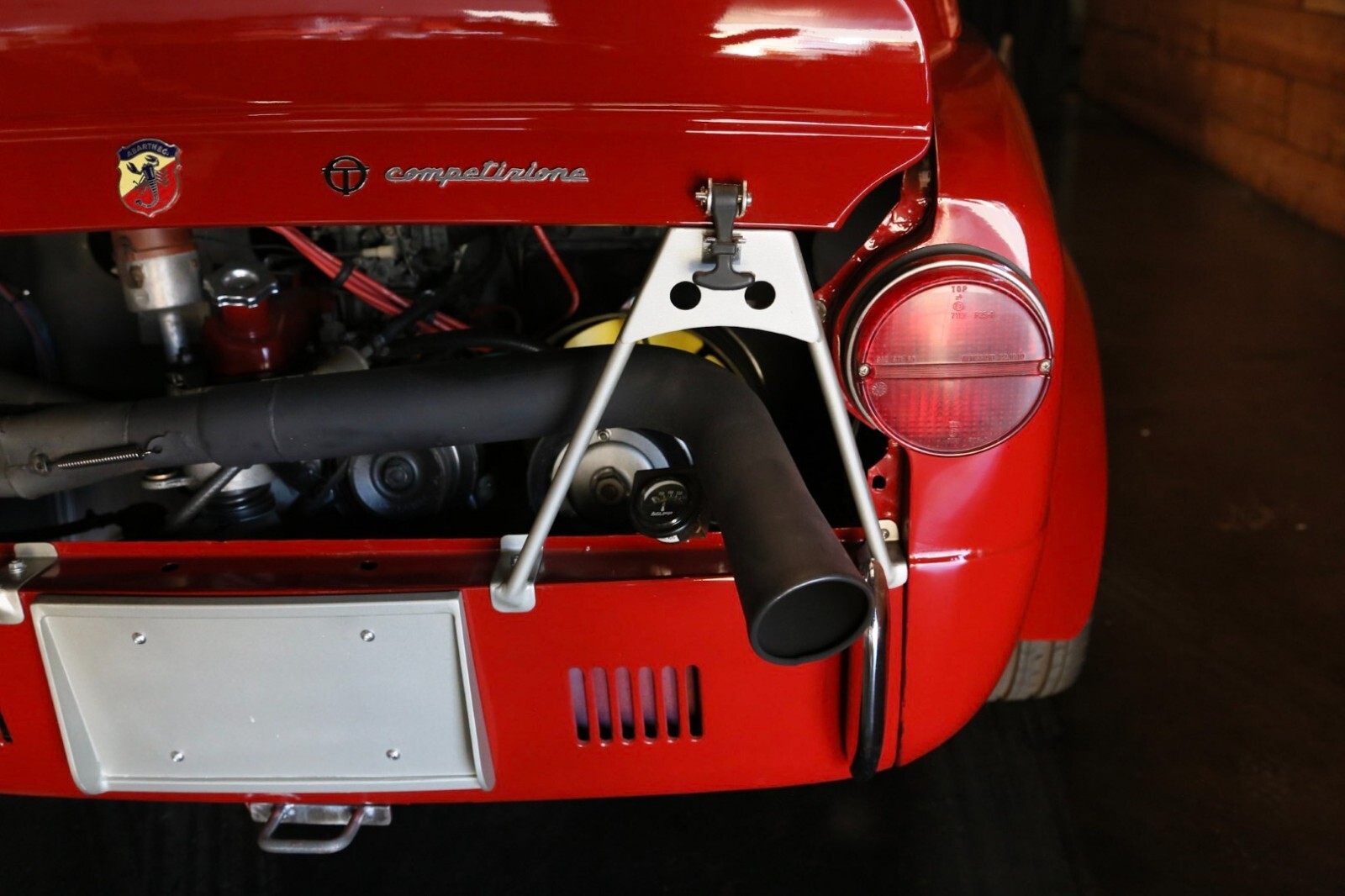
The exhaust system is built to Abarth TCR spec — a new header paired with a custom-fabricated exhaust pipe that gives the car an appropriately purposeful soundtrack without being antisocial. A genuine Abarth front leaf spring with reverse eye and lowered specification is fitted — a rare and increasingly hard-to-find component that provides an authentic suspension geometry foundation rather than an approximated one.
Suspension & BrakesThe suspension setup has been comprehensively revised for the car’s lowered stance and performance intent. Custom-fabricated front lowering brackets — a $350/set specialist item — drop the front of the car an additional 1½ inches and incorporate adjustable camber settings, giving the car genuine chassis tunability rather than a fixed compromise. New rear coil springs are fitted to Abarth 1300 OT specification, lowering and stiffening the rear in correct proportion. Four Spax adjustable racing shocks, specifically built for the lowered Fiat 850 suspension geometry, were sourced from Middle Barton Garage in England — the specialist supplier of choice for serious 850 and Abarth owners.
The braking system has been completely renewed: new master cylinder, wheel cylinders, and brake hoses throughout, with a front disc brake conversion that significantly improves stopping performance over the original drum setup. New front-end components including tie rods complete a front end that has been rebuilt from the ground up.
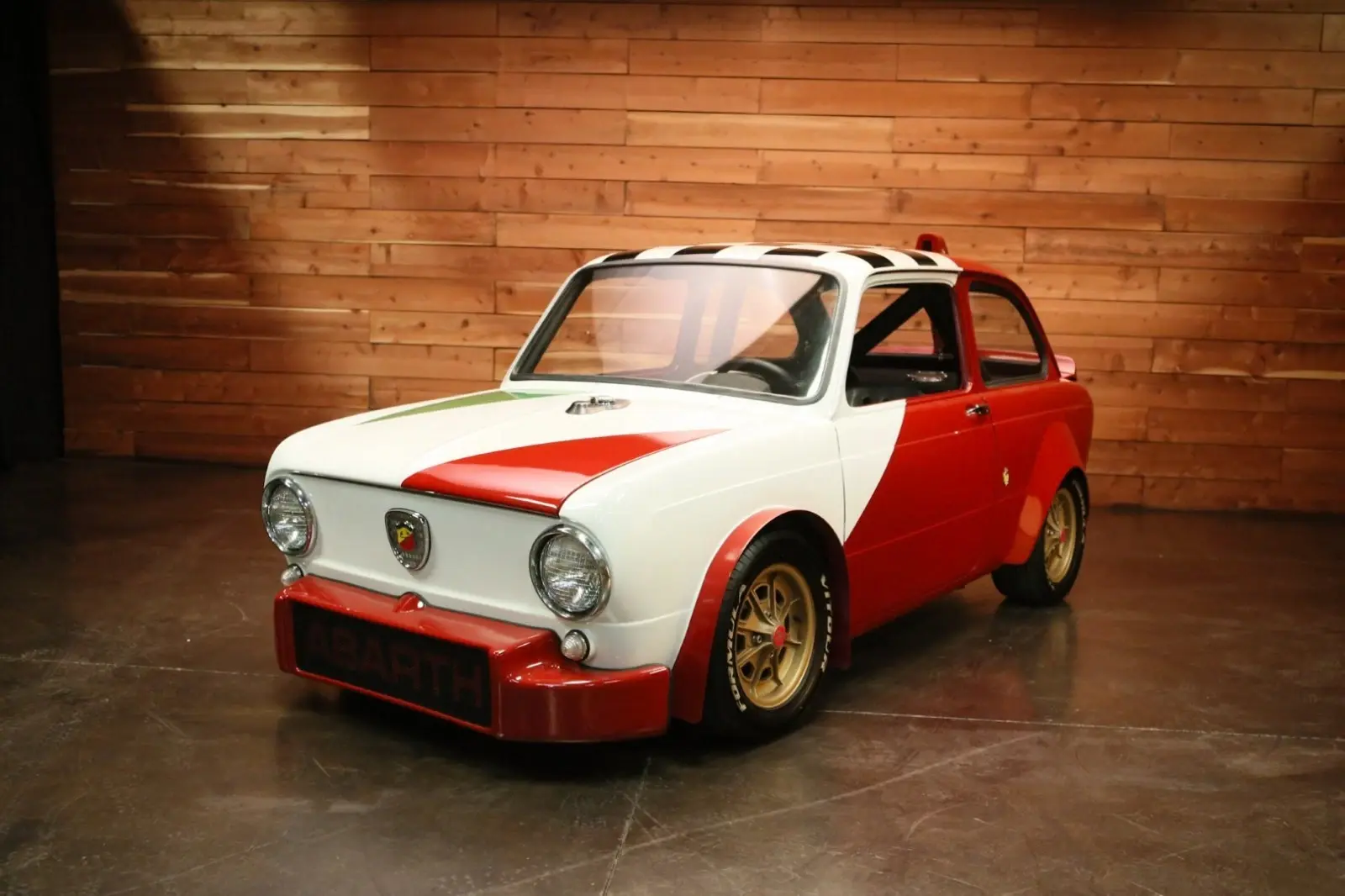
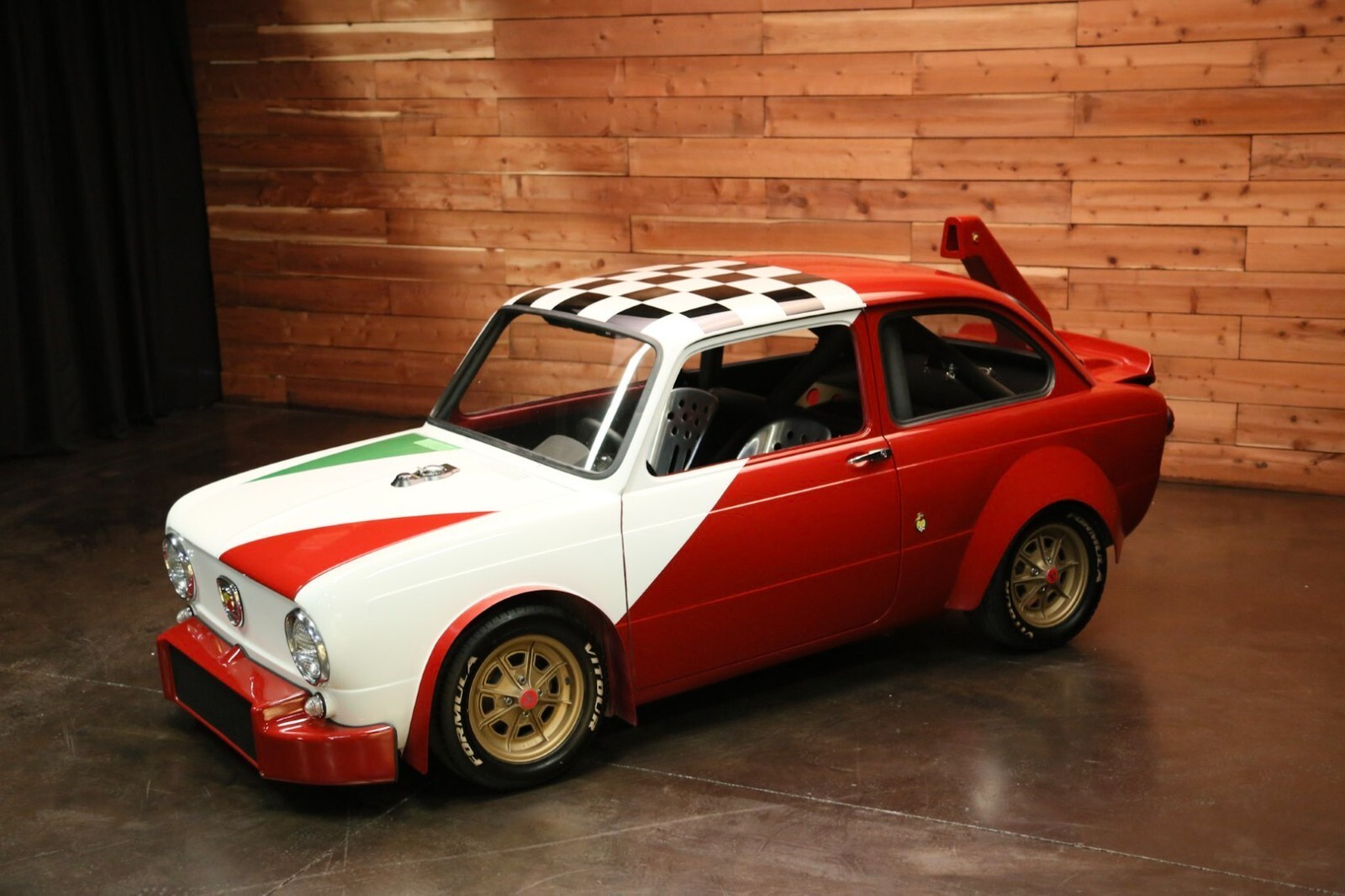
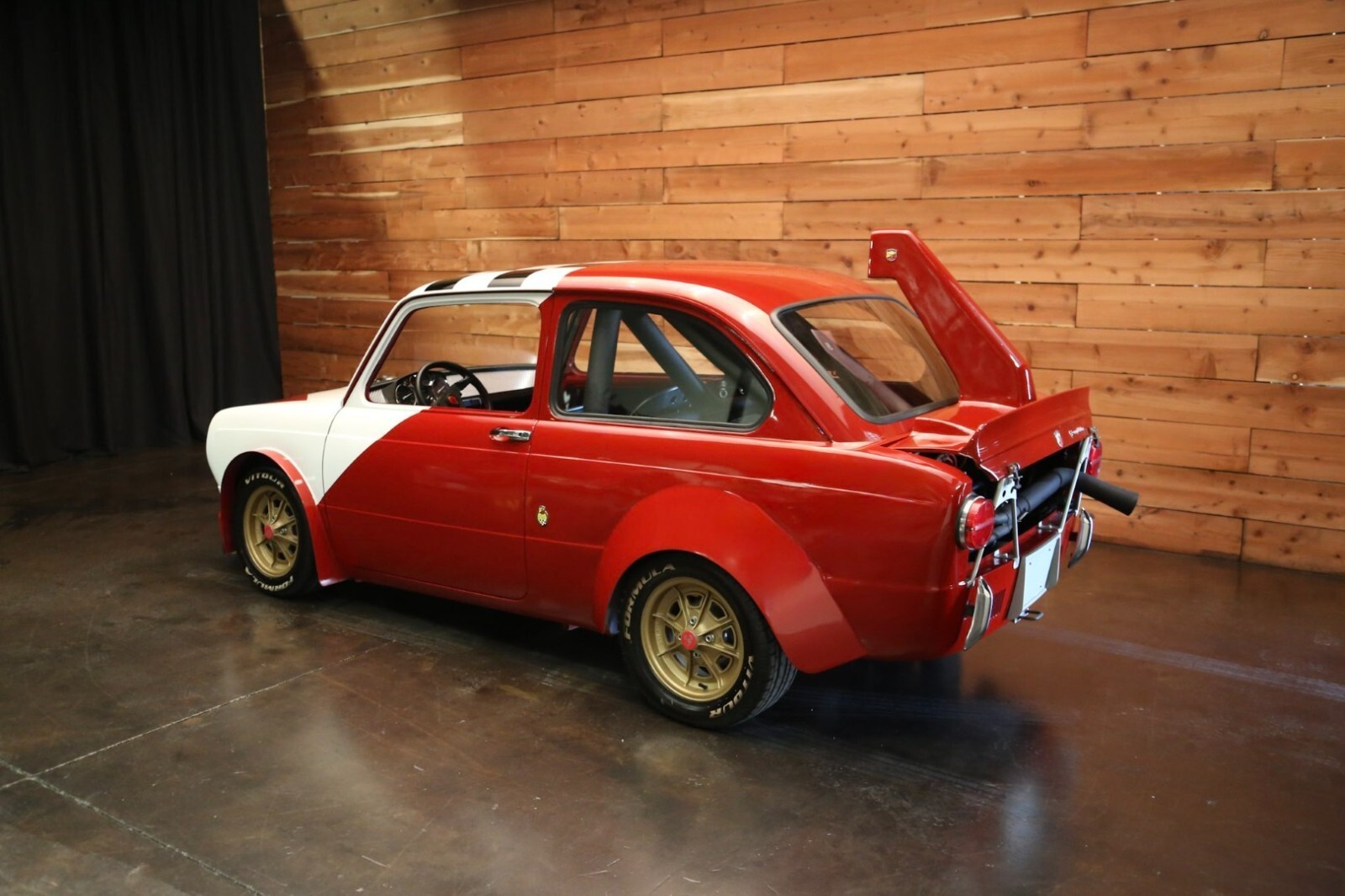
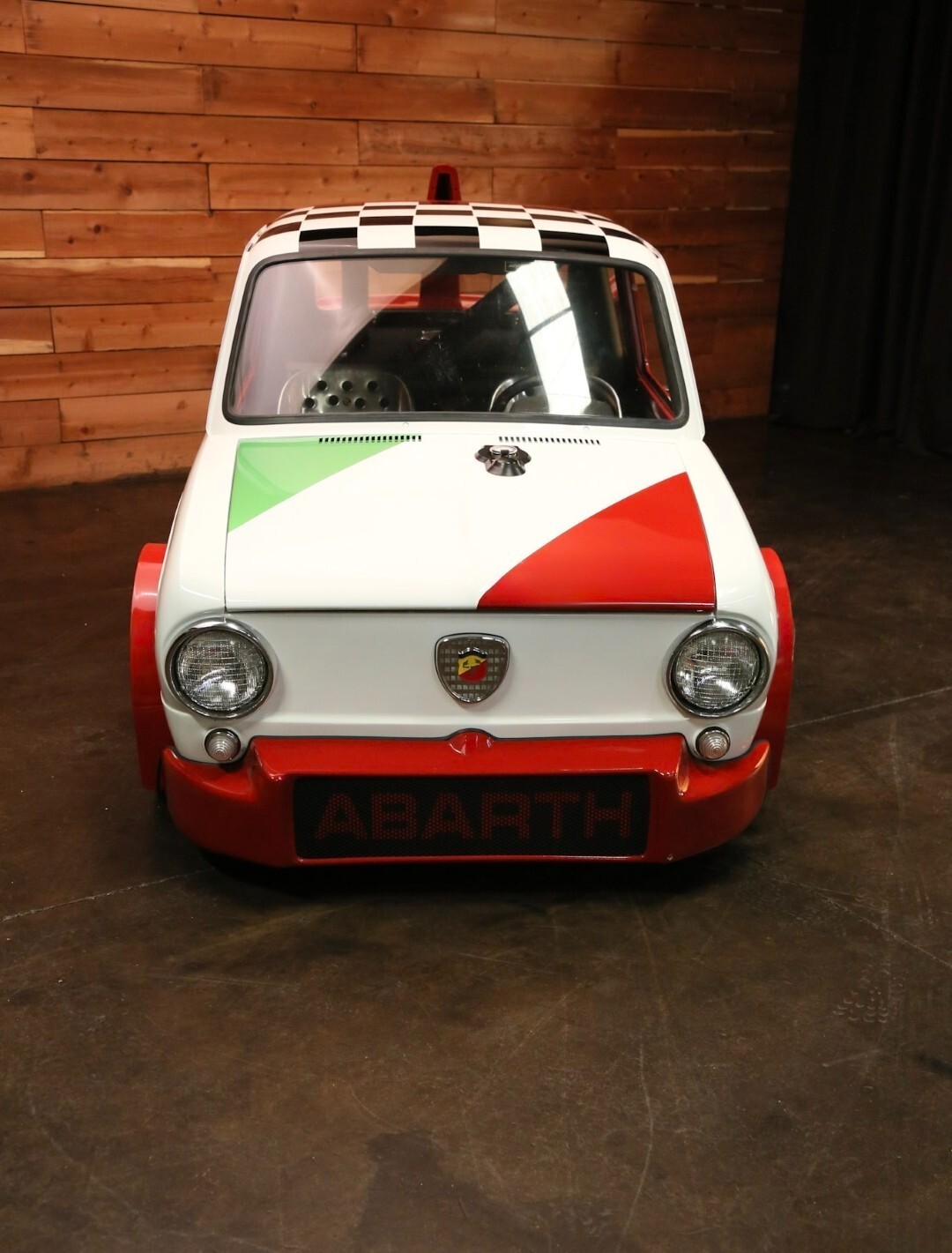
Body & ExteriorThe custom paint and rear engine deck treatment are aggressive and purposeful while retaining the playful character that makes the 850 platform so appealing.
The custom fiberglass engine cover incorporates a built-in rear spoiler and a functional snorkel for engine breathing, along with custom-fabricated lid props that hold it open for additional cooling during static display or inspection. An Aston Martin-style aluminum flip-open fuel filler cap with custom surround adds a period-correct detail.
Wheels are BWA Italian alloys — a historically appropriate choice, as BWA supplied wheels to numerous Abarth competition cars in period — powder coated in gold and wearing new rubber: 195-series fronts and wider 215-series rears for a correct period-competition stance. New rubber seals have been fitted to all windows. A new $500 Abarth front emblem and all-new body emblems complete the exterior presentation.
InteriorThe centerpiece of the interior is a pair of aluminum racing seats hand-fabricated by Hunt’s Fabrication — the last two seats the builder made before retiring, patterned after early 1960s Ferrari competition seats. These are not reproduction pieces or off-the-shelf units; they are bespoke, one-of-a-kind fabrications from a craftsman with a career building seats for period hot rods and race cars. Remarkably, they are also comfortable.
The dashboard is a hand-fabricated Abarth OT 1600-style panel fitted with Abarth gauges — visually correct and highly detailed. Note that several gauges have not yet been wired; the dash lifts off and nuts can be installed from underneath once wiring is completed. Custom bucket seat risers and platforms feature “Abarth” lettering cut out on the front and back faces. New black seat cushions with red piping, a new 4/5-point snap-release racing harness, and a custom-made 1¾” roll bar with harness attachment points complete the competition interior.
The steering wheel is a Snap-Off brand racing unit with quick-release function — a rare and collectible item in its own right. A new aluminum “wink” style racing mirror rounds out the cockpit equipment.
Door glass has been replaced with Lexan side windows with race-style sliding panels — lightweight, functional, and visually correct for the competition theme (currently boxed).
Mechanical Notes & Remaining ItemsThe car has been rewired throughout, including all new plug wires and engine compartment wiring. The original radiator has been rebuilt with a modern efficient core while retaining a stock external appearance. A custom aluminum fuel cell of approximately 8 gallons replaces the stock tank.
A few items remain to be completed by the next owner, all of them straightforward:
The windshield wiper motor was removed for painting and will need to be reinstalled along with the wiper arms and fluid nozzles — parts are readily available through Mr. Fiat or eBay. The Abarth dashboard gauges require wiring completion. Upholstery panels for the side areas behind the doors have been cut from plywood and are included; they will need to be covered and fitted. The blinkers require the ignition to be on to operate — a known characteristic of the wiring configuration. Horn works. All lights function.
A note on servicing:Jacking points on the Fiat 850 are the center of the rear panel and the center of the front leaf spring only. Given the car’s lowered front end, tapered-cut 2×6 boards used as ramps are recommended for clearance — stackable as needed.
Genuine Abarth-specification components are becoming increasingly difficult and expensive to source. The combination of a real Abarth front leaf spring, correct Abarth rear spring specification, BWA wheels, Abarth gauges, and Abarth emblems on a carefully built and coherently themed 850 represents years of accumulation. The custom fabrication work — the seats, the roll bar, the fuel cell, the shift knob, the engine cover — is the kind of detail that cannot be replicated quickly or cheaply.
This is a car for a Fiat-Abarth enthusiast who appreciates what went into it and wants to complete the final details themselves.